Without exception, all novels, in some way, involve history. There is no way one can exist without the acknowledgement of and participation in history– even those that remain on the periphery of what is often regarded as historical fact, are a part of history. This is especially in the writings on the Cultural Revolution and the Gwangju Uprising. Heavy censorship made discussion of these two revolutions nearly impossible during the periods in which they occurred, however, it is precisely because of this that the memoirs and trauma writings borne out of these events are often considered to be both non-fiction and fiction. Utilization of fiction or ‘altered societies’ in order to describe the current happenings of a society is not new and, in the case of China, dates back to the Shijing (The Book of Songs), considered the oldest poetry anthology in China. This is why it is no surprise that these novels are, oftentimes, more historically accurate than the historia patria.
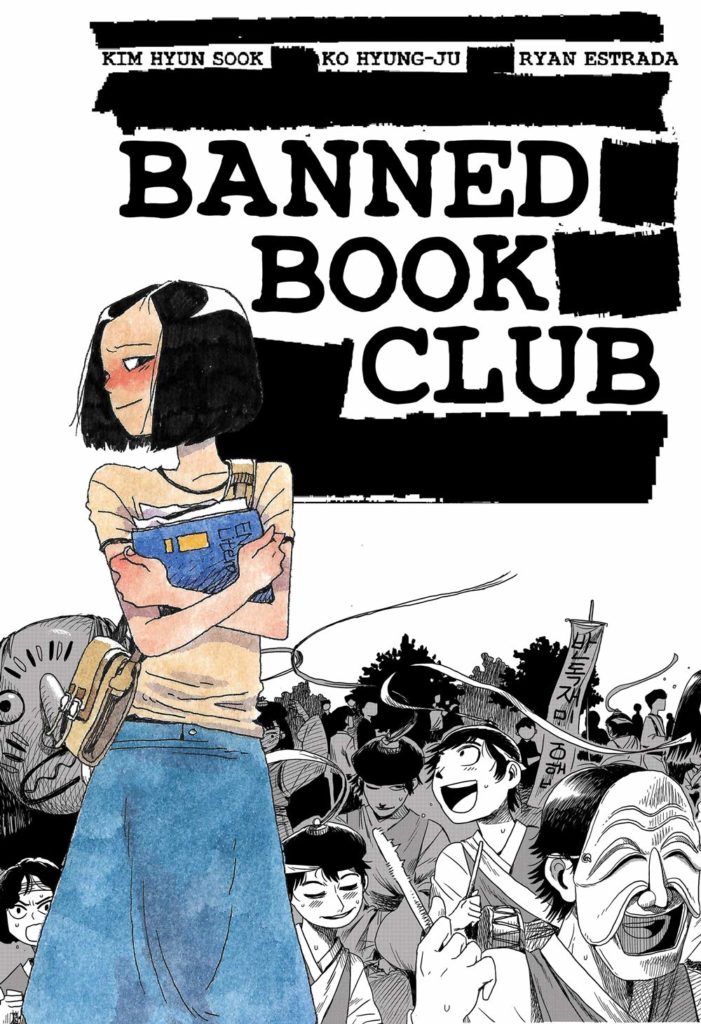
Banned Book Club presents the true story of a South Korean woman’s student days in college in the early 1980s. Under an authoritarian regime she found — through the rebellion of reading — her purpose and learned how powerful a tool censorship can be.
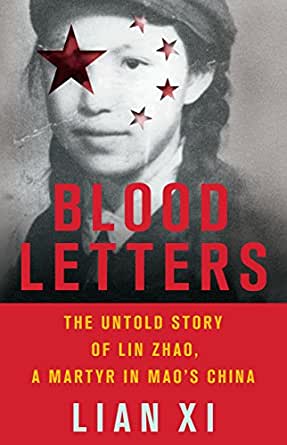
Throughout Lin’s imprisonment, where she was subjected to extreme torture, she wrote thousands of letters and essays in her own blood. Those letters are now kept at the Hoover Institution on War, Revolution, and Peace at Stanford University. Gan Cui, Lin’s fiancé, spent four months hand-copying Lin’s blood letters when they first became available to Lin’s siblings, her only remaining family.
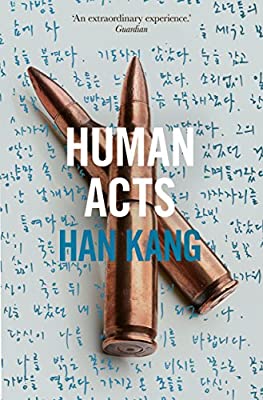
Brutal and uncompromising; Human Acts begins with a flourish of blood and barbarity that is fast and unexpected. While focusing on the death of high schooler, Dong-ho, who is killed by paratroopers during the outing, Han Kang guides readers through the tumultuous journey his family and fellow citizens take after experiencing the horrors of Chun Doo-hwan’s martial law.
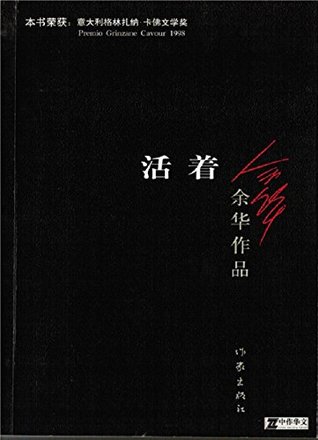
This searing novel, originally banned in China but later named one of that nation’s most influential books, portrays one man’s transformation from the spoiled son of a landlord to a kindhearted peasant. After squandering his family’s fortune in gambling dens and brothels, the young, deeply penitent Fugui settles down to do the honest work of a farmer. Forced by the Nationalist Army to leave behind his family, he witnesses the horrors and privations of the Civil War, only to return years later to face a string of hardships brought on by the ravages of the Cultural Revolution. Left with an ox as the companion of his final years, Fugui stands as a model of gritty authenticity, buoyed by his appreciation for life in this narrative of humbling power.